HR analytics reports on people metrics such as headcount, absence and attrition. Workforce intelligence connects how people work to business performance.
All insightsWorkforce Intelligence
Workforce Intelligence Is Not the Same as HR Analytics and the Difference Matters
Workforce intelligence isn't HR analytics. Learn the difference between reporting on people and understanding how behaviour shapes performance.
17 March 2026 · 4 min read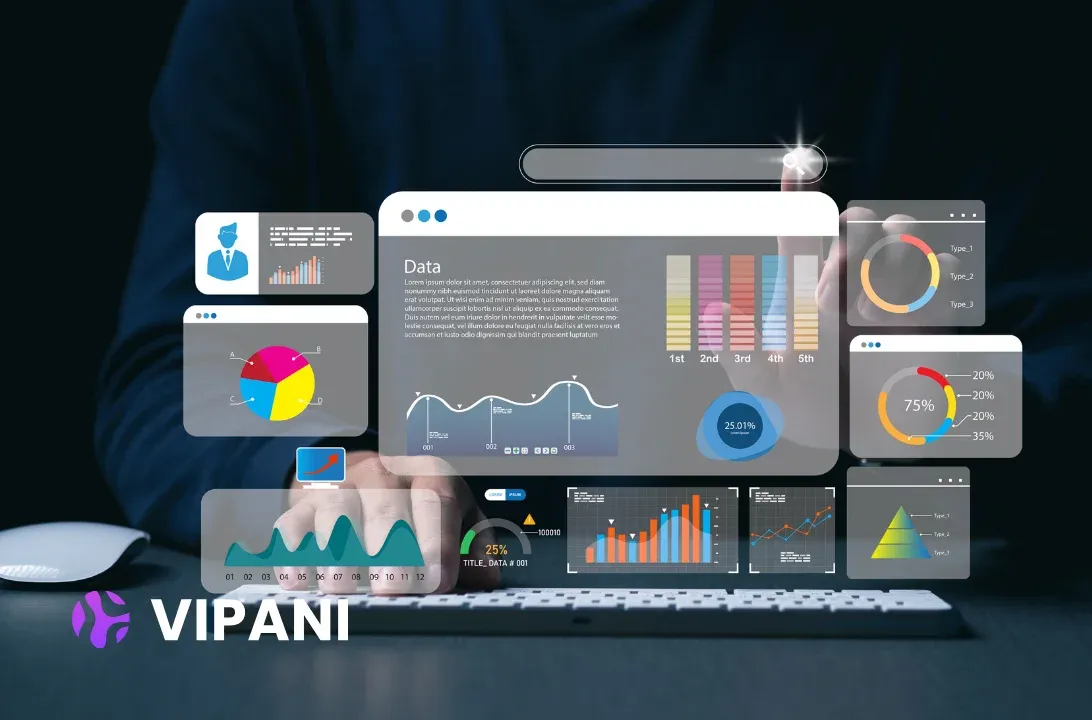
The difference between reporting on people and understanding how behaviour shapes performance
Many organisations invest heavily in HR analytics. Dashboards track absence, attrition, engagement scores, headcount, and performance ratings, and these metrics are often presented as evidence that the organisation understands its workforce. The data can be detailed, accurate, and regularly updated, yet leadership teams still feel they do not have a clear picture of what is really happening inside the business.
The reason is not that HR analytics is wrong. The problem is that reporting on people is not the same as understanding how behaviour inside the organisation affects performance. Workforce intelligence requires a wider view, one that connects what people are doing with how the organisation is operating and what results it is producing.
Traditional HR dashboards are designed to show workforce data, but performance rarely sits inside one function alone. Behaviour, execution, operations, and financial outcomes are closely connected, and when those connections are not visible, leaders are left with partial information.
This is where the difference between HR analytics and workforce intelligence becomes important.
One of the limitations of traditional HR reporting is that it tends to sit separately from the rest of the business. HR systems track absence, turnover, and engagement, while operational platforms track delivery, and finance systems track revenue and cost. Each function has its own data, its own reports, and its own definitions of performance. Individually, these views can be useful, but they do not always explain what is really driving results.
For example, a rise in attrition may appear in HR data, but the cause may sit in workload, decision speed, or unclear priorities. A drop in productivity may show in operational reports, while the underlying issue is pressure on teams or poor coordination between functions. Margin may tighten in financial results even though the real problem started with inefficient execution or repeated work earlier in the process.
When data stays in separate systems, the connection between behaviour and performance is easy to miss.
Understanding workforce behaviour as a business variable means linking people data with operational and financial context. Behaviour does not exist on its own. It influences how work gets done, how quickly decisions are made, how well teams coordinate, and how effectively the organisation responds to change. These factors shape productivity, cost, and revenue long before the impact appears in final results.
This is why executives increasingly need one view of the organisation instead of multiple disconnected reports. When information is fragmented, leaders spend time trying to interpret what the numbers mean rather than deciding what to do next. Different functions may see different problems, even though they are looking at the same situation from different angles.
A single, connected view makes it easier to understand patterns as they form. Instead of seeing absence, delays, and cost increases as separate issues, leaders can recognise that they may share the same underlying cause. That context allows decisions to be made earlier and with more confidence.
Workforce intelligence becomes valuable when it moves beyond reporting and starts to support decision-making. Data is only useful if it helps leaders understand what is changing, why it is changing, and what action is needed. Reports that arrive too late, or that show only one part of the picture, often create more questions than answers.
Decision-ready intelligence brings behaviour, operations, and financial outcomes together in a way that reflects how the organisation actually works. It shows not only what has happened, but what may be developing, and where attention is needed before performance is affected.
As organisations become more complex and the pace of change increases, this kind of visibility becomes harder to achieve with traditional reporting alone. Leaders need insight that crosses functions, not data that stays inside them.
Workforce intelligence is not about replacing HR analytics. It is about putting workforce data into the context of the whole business so that behaviour, execution, and results can be understood together.
If you want to see how behaviour inside your organisation is influencing performance across operations and finance, Vipani can help you connect workforce, operational, and business data into one clear view that supports faster, more confident decisions.
Key takeaways
- HR analytics reports on people metrics like absence, attrition and engagement.
- Workforce intelligence explains how behaviour shapes performance.
- Detailed HR dashboards can still leave leaders without real understanding.
- The difference matters for how leaders make decisions.
Frequently asked questions
Yes. It provides an accurate record of the workforce, but on its own it rarely explains why performance changes.
Executives and leadership teams who need to understand how organisational behaviour drives results, not just HR teams.
See these ideas running on your own data.Book a demo
More insights

Why Your Best Employees Leave Before Your Dashboard Notices
Read article
The $10 Million Question Every CEO Should Be Asking Their Workforce Data
Read article